
Get Geothermal Hvac Installation in Tucson, AZ
Local contractors specializing in geothermal HVAC installation can help Tucson property owners replace or upgrade heating and cooling systems with underground heat pump solutions.
Considering geothermal HVAC installation for a property in Tucson, AZ? This innovative heating and cooling method offers a reliable and energy-efficient solution suited to the area's climate. Property owners exploring this option often seek a sustainable approach to HVAC that can provide consistent comfort year-round. By comparing local contractors experienced in geothermal systems, it becomes easier to evaluate available services and determine the best fit for specific project needs.
As you plan your geothermal HVAC project, understanding the options available from nearby service providers can help streamline the decision-making process. Local contractors familiar with Tucson’s unique conditions can offer insights into system performance and installation practices. Continuing to explore your choices ensures a well-informed approach to selecting the right professionals for your property’s heating and cooling needs.
- Residential Geothermal HVAC Installation - needed when homeowners in neighborhoods like Sam Hughes or Catalina Foothills want an energy-efficient heating and cooling system.
- Commercial Geothermal HVAC Setup - suitable for businesses in downtown Tucson or nearby industrial areas seeking sustainable climate control solutions.
- Geothermal System Replacement - required when existing heating and cooling units become outdated or inefficient in homes or commercial properties.
- Geothermal Loop System Installation - necessary for new constructions or major renovations in areas such as Oro Valley or Marana that require underground loop fields.
- Geothermal Maintenance Services - essential for maintaining optimal performance and longevity of geothermal systems in residential and commercial settings.
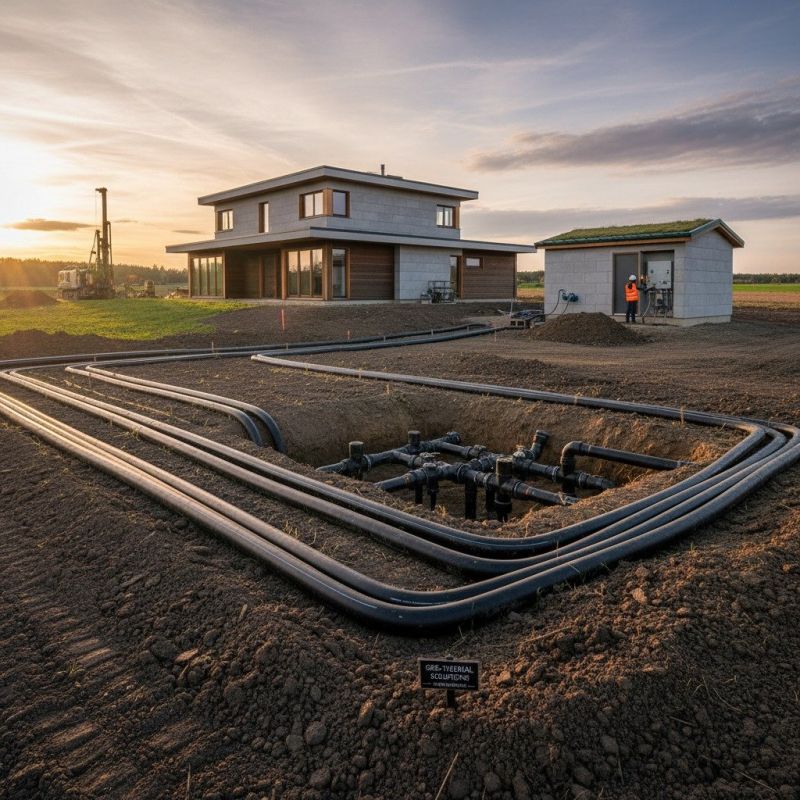
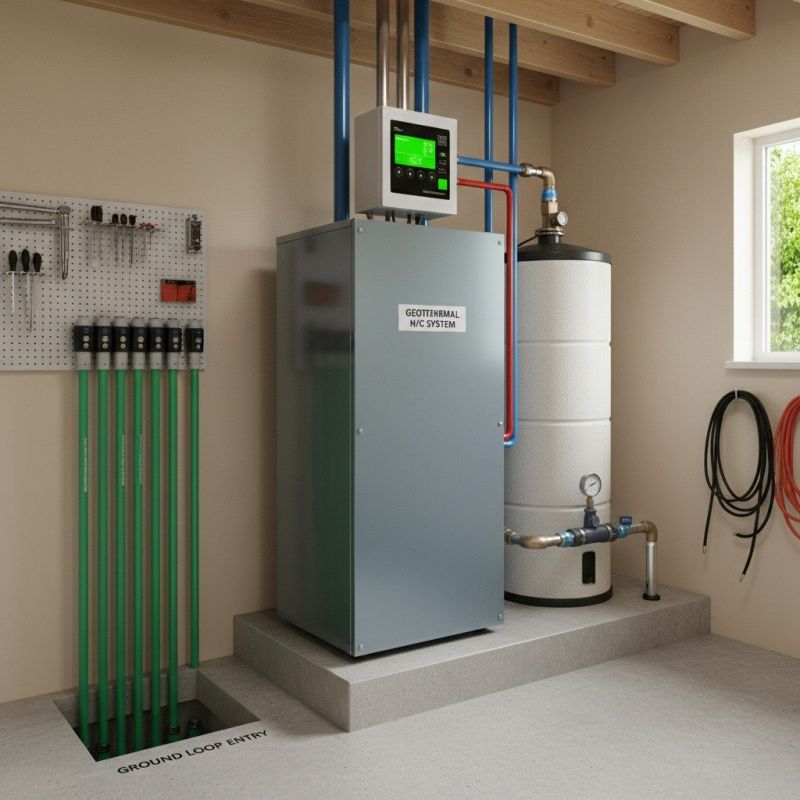
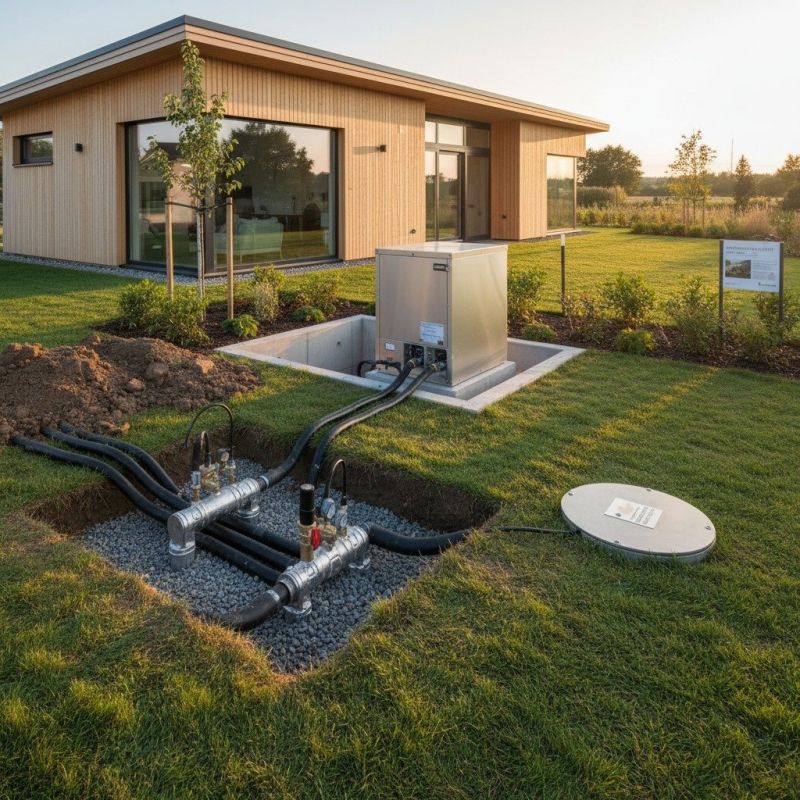
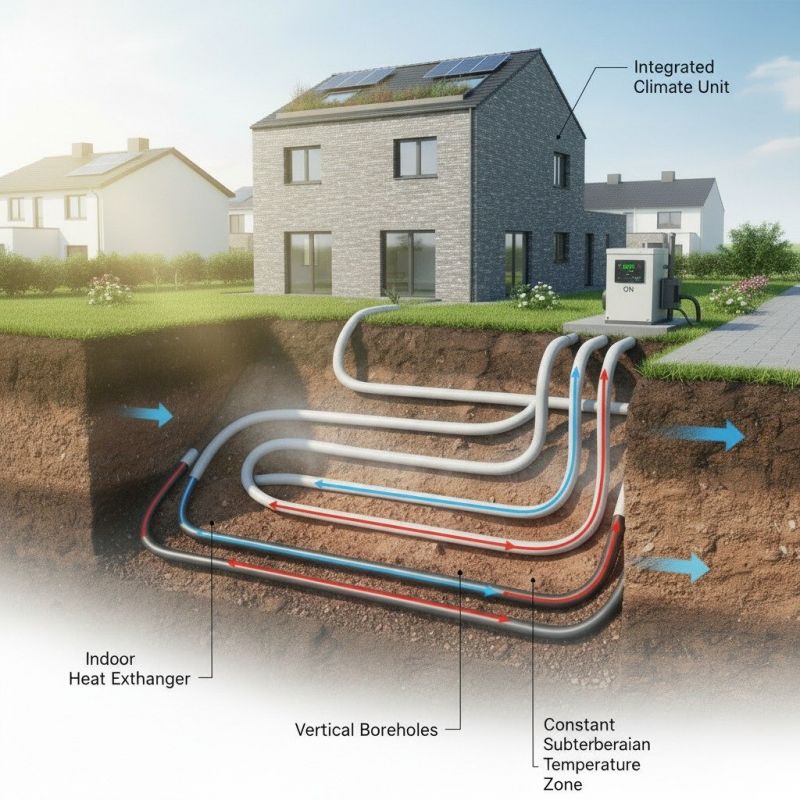
Geothermal HVAC installation involves setting up a heating and cooling system that uses the stable temperature of the ground to regulate indoor comfort. This system typically consists of underground pipes, known as a ground loop, and a heat pump that transfers heat between the ground and the interior of a property. The process includes excavating or drilling to install the ground loop, connecting it to the heat pump, and integrating the system into the existing ductwork or ventilation setup. This type of HVAC system is designed to provide efficient climate control by leveraging the consistent temperature of the earth, resulting in potentially lower energy costs and reliable performance.
This service helps address common issues associated with traditional heating and cooling methods, such as high energy bills, uneven temperatures, and equipment that requires frequent repairs. Geothermal systems operate quietly and require less maintenance over time, making them a practical choice for homeowners seeking long-term solutions. They are particularly effective in areas where temperature fluctuations are significant, as they maintain a steady indoor climate regardless of outdoor weather conditions. Installing a geothermal HVAC system can also reduce reliance on fossil fuels, offering a cleaner, more sustainable approach to home comfort.
Properties that typically benefit from geothermal HVAC installation include single-family homes, multi-unit residential buildings, and some commercial properties. These systems are suitable for homes with sufficient land for underground loops or access to drilling sites. They are often chosen in regions where energy efficiency and cost savings are priorities, especially in areas with extreme temperature swings. Homes that are undergoing new construction or major renovations may also consider geothermal options as part of their overall building design, ensuring long-term comfort and efficiency from the start.
For homeowners considering this technology, it’s important to evaluate the property's land size, soil conditions, and existing infrastructure. Local contractors can assess these factors and recommend the most appropriate system design. Geothermal HVAC installation is a comprehensive process that requires specialized equipment and expertise, making it essential to work with experienced service providers. By connecting with qualified local professionals, property owners can explore whether a geothermal system aligns with their comfort needs and property characteristics, ensuring a smooth and effective installation process.
The overview below groups typical Geothermal Hvac Installation projects into broad ranges so you can see how smaller, mid-sized, and larger jobs often compare in Tucson, AZ.
In many markets, a large share of routine jobs stays in the lower and middle ranges, while only a smaller percentage of projects moves into the highest bands when the work is more complex or site conditions are harder than average.
Smaller Repairs - Typical costs for minor geothermal HVAC repairs or part replacements range from $250 to $600. Many routine service jobs fall within this middle range, with fewer projects reaching the higher end for more extensive repairs.
System Tune-Ups - Regular maintenance and tune-up services generally cost between $300 and $700. Most local contractors offer these services at the lower to mid-range prices, depending on system size and complexity.
Full System Replacement - Replacing an entire geothermal HVAC system can cost from $10,000 to $20,000 or more. Larger, more complex projects, especially in custom installations, can reach $25,000+ but are less common.
New Installations - Installing a new geothermal HVAC system typically ranges from $15,000 to $30,000. Many projects fall within the middle of this range, with higher costs associated with larger properties or specialized system features.
Actual totals will depend on details like access to the work area, the scope of the project, and the materials selected, so use these as general starting points rather than exact figures.
Geothermal System Maintenance - service providers who specialize in maintaining geothermal heat pump systems can apply similar skills in troubleshooting and optimizing HVAC equipment.
Hydronic Heating Installations - local contractors experienced in hydronic heating systems often utilize comparable planning, piping, and climate control techniques as geothermal HVAC setups.
Ground Source Heat Pump Installations - professionals installing ground source heat pumps work with similar drilling, loop field design, and system integration as geothermal HVAC projects.
HVAC Ductwork Design and Installation - experts in ductwork setup and airflow management share planning and installation skills with geothermal HVAC system providers.
Solar Heating System Integration - service providers who install solar heating solutions often employ similar site assessment, system sizing, and energy transfer methods as geothermal services.
Cooling System Upgrades - technicians upgrading or replacing cooling systems utilize comparable electrical, refrigerant, and airflow skills as those used in geothermal HVAC installations.
When evaluating geothermal HVAC installation services, it’s important to consider the experience of local contractors with similar projects. Homeowners should inquire about how many geothermal systems a service provider has installed, especially those comparable in size and scope to the home’s needs. Contractors with a history of completing similar projects can often provide insights into potential challenges and solutions, ensuring that the installation process aligns with expectations and local conditions. Gathering information about their past work helps homeowners gauge whether a contractor has the practical knowledge necessary for a successful geothermal system setup.
Clear and detailed written expectations are essential when comparing local service providers. Homeowners should seek proposals that outline the scope of work, materials to be used, and specific responsibilities of the contractor. This documentation helps prevent misunderstandings and provides a basis for comparing different options objectively. A reputable contractor will be transparent about what the project entails and ensure that the homeowner understands each phase of the installation process. Well-defined expectations foster a smoother experience and support a successful outcome.
Reputable references and effective communication are key factors in choosing the right geothermal HVAC installer. Homeowners should ask for references from previous clients who had similar projects completed, providing an opportunity to learn about their experiences. Additionally, a contractor’s ability to communicate clearly and promptly can make a significant difference throughout the process, from initial consultation to project completion. Good communication helps clarify questions, address concerns, and keep the project on track. It’s important to remember that this site introduces homeowners to local options, connecting them with qualified service providers who can handle the work, rather than performing the work directly.
Property owners in Tucson, AZ use Geothermal Hvac Installation services for practical projects around their homes and businesses. This guide focuses on everyday jobs and straightforward project options.
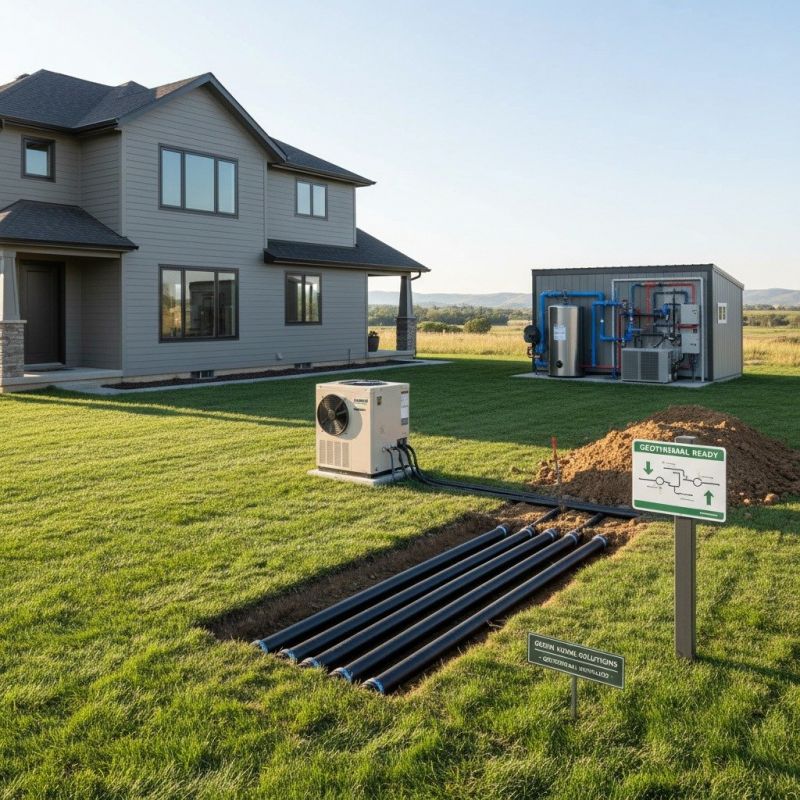
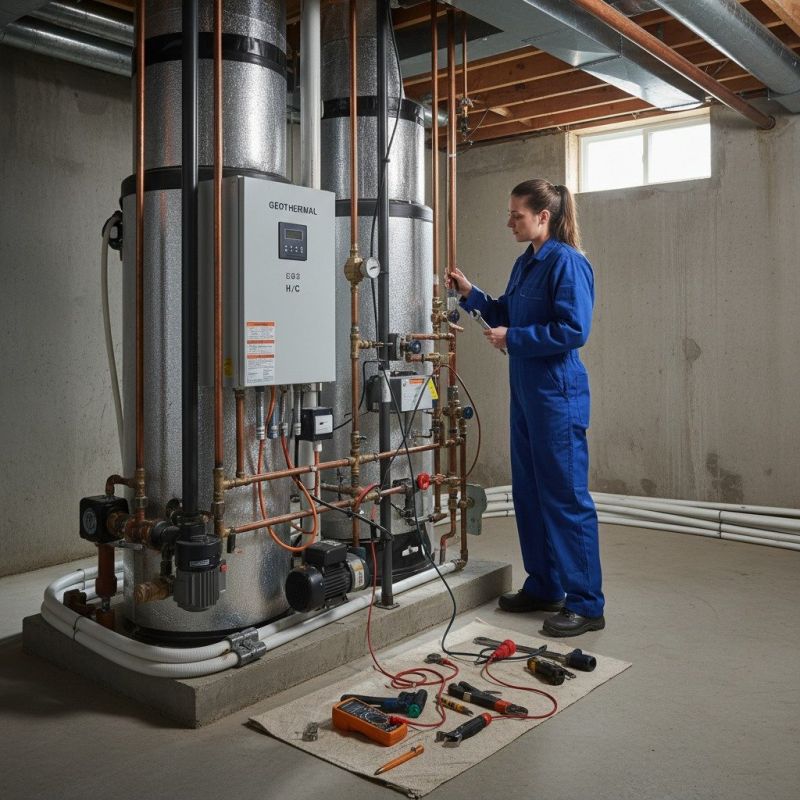
Geothermal HVAC installation is often sought by property owners in Tucson, AZ, who are looking for a reliable way to improve indoor comfort while reducing energy costs. Many residents consider this option when their current heating and cooling systems become outdated or inefficient, especially during the hot Arizona summers and mild winters. Local contractors can assess properties to determine if a geothermal system is suitable, providing an alternative that leverages the stable underground temperature to maintain a comfortable environment year-round.
Homeowners and business owners in Tucson might also explore geothermal HVAC services when seeking a long-term, low-maintenance solution for climate control. Factors such as rising energy bills or the desire for a more sustainable approach can prompt property owners to contact local service providers for installation. These experienced contractors can handle the specifics of geothermal system setup, ensuring that the equipment is properly integrated into the property’s existing infrastructure.
What is geothermal HVAC installation? Geothermal HVAC installation involves setting up systems that use the stable temperature of the earth to heat and cool buildings efficiently, with local contractors handling the setup process.
How does a geothermal HVAC system work? These systems transfer heat between the building and underground loops, which are installed by local service providers to provide consistent climate control.
What are the benefits of installing a geothermal HVAC system? Installing a geothermal system can offer energy efficiency and long-term savings, with local contractors managing the installation process.
What types of properties are suitable for geothermal HVAC systems? Many residential and commercial properties in Tucson and nearby areas can accommodate geothermal systems when installed by experienced local pros.
What should I consider before choosing a geothermal HVAC installation service? It’s important to evaluate the experience of local contractors, their understanding of the property’s layout, and the system options available for your specific needs.
Energy-efficient HVAC upgrades - Property owners can explore geothermal systems to reduce energy consumption and lower utility bills throughout the year.
Retrofit existing heating and cooling systems - Homeowners considering an upgrade can work with local contractors to replace outdated equipment with geothermal solutions.
Designing new construction HVAC systems - Builders and developers can incorporate geothermal technology into new properties for long-term comfort and efficiency.
Installing sustainable climate control in commercial spaces - Business owners can utilize geothermal HVAC installation services to create cost-effective and reliable climate management.
If you are thinking about Geothermal Hvac Installation for a property in Tucson, AZ, this guide is meant to help you understand the work, the typical project types, and how different options might fit your plans.
When you are ready, you can use the quote form on this page to share a few details about your project. From there, local pros can review the basics and respond with options that match what you have in mind.